
Good · grass
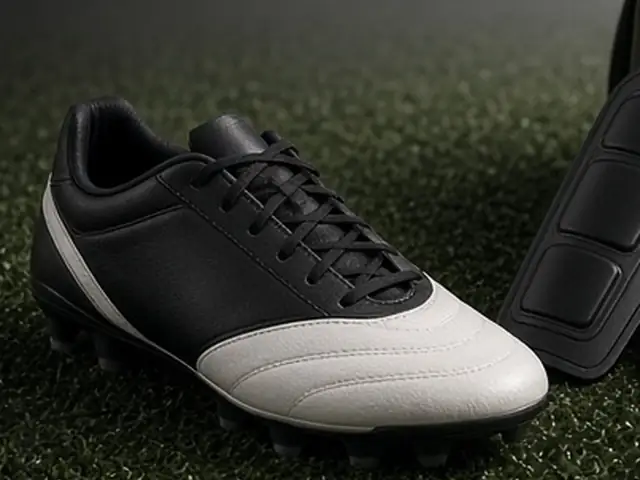
adidas Kids' Goletto IX FG/MG
A budget laced firm/multi-ground cleat with a synthetic leather upper, made for grass weekends.
Check today’s price on AmazonIndependent picks. Affiliate link: I may earn a commission if you buy through this link.
Buying guide
The stud pattern matters more than the logo. Buy for the pitch they play on most, not the one in the launch video.
Updated November 23, 2026
If you remember one thing: match the sole to the surface they play on most weeks, not the surface in the ad.
A lot of expensive youth cleat mistakes start the same way. A new boot looks fast in a campaign film, shot on a clipped professional lawn. The player who wears it on Saturday might spend midweek on a worn club turf, and Sunday on a patchy park field that is still wet at 9 a.m. The upper can be beautiful. If the studs are wrong, it is the wrong shoe.
This guide is a surface primer for US club, travel, and rec families. It is not a lab test and it does not rank brands. It is a way to read the letters on the box — FG, AG, and turf — and decide what belongs in the bag.
Firm-ground soles use longer, more widely spaced studs. They are made to bite into dry or lightly firm natural grass. That is the look you see in many launch videos, because it photographs well and matches the pitches used at the professional level on a dry afternoon.
On the right field, FG feels stable when a player plants and turns. On the wrong one, those longer studs have nowhere to go. On artificial turf they can catch, feel harsh, and wear the boot out faster than it should. On soft, wet grass they can sink and make the foot feel stuck. If the club’s home pitch is turf, or if most games are on worn municipal grass that stays slick, FG is usually not the first pair to buy.
A useful question in the store: “Where will these be worn this month?” If the honest answer is “mostly turf,” keep walking past the FG pair, even if the colorway is the one they want.
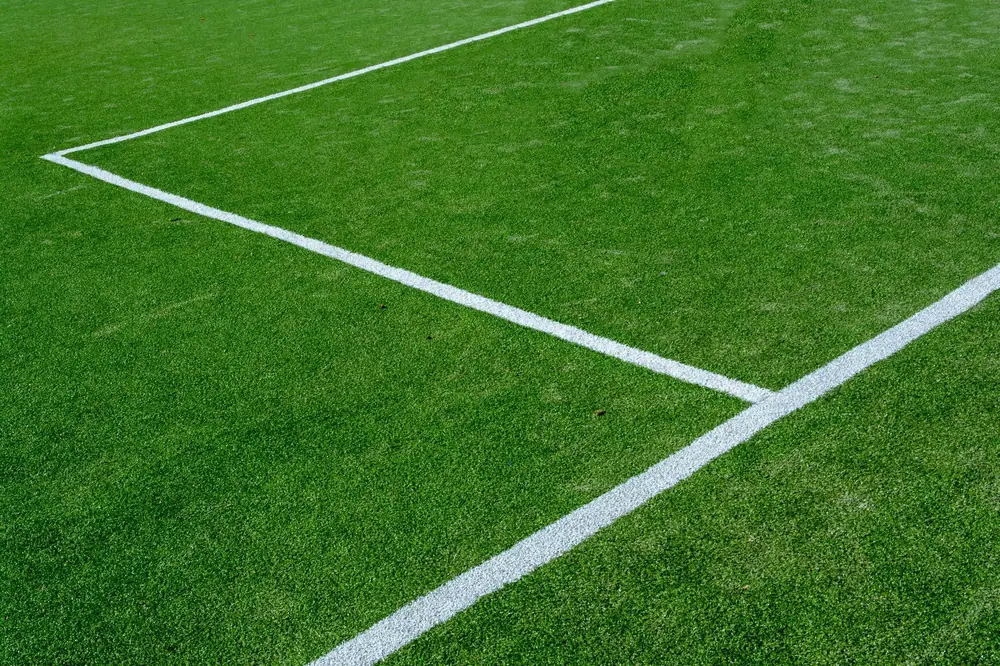
Artificial-ground soles use shorter, denser studs. They are built for modern turf and for the mixed, often abrasive surfaces that show up in US club soccer. The studs still give traction, but they spread the load instead of stabbing into a surface that will not yield.
For many travel and club players in this country, AG is the sensible all-rounder. A lot of midweek training is on turf. A lot of weekend complexes are turf as well. Even when a tournament lists “grass,” the field may be a hybrid, a short rye, or a chewed-up pitch that behaves more like a firm carpet than a garden lawn.
AG is not magic. On a deep, wet natural field it will not grip like a true FG sole. On a short indoor or very tight rubber-crumb surface, a dedicated turf shoe can still feel more comfortable. But if you can only buy one pair for a player who splits time between club turf and ordinary outdoor fields, AG is usually the place to start.
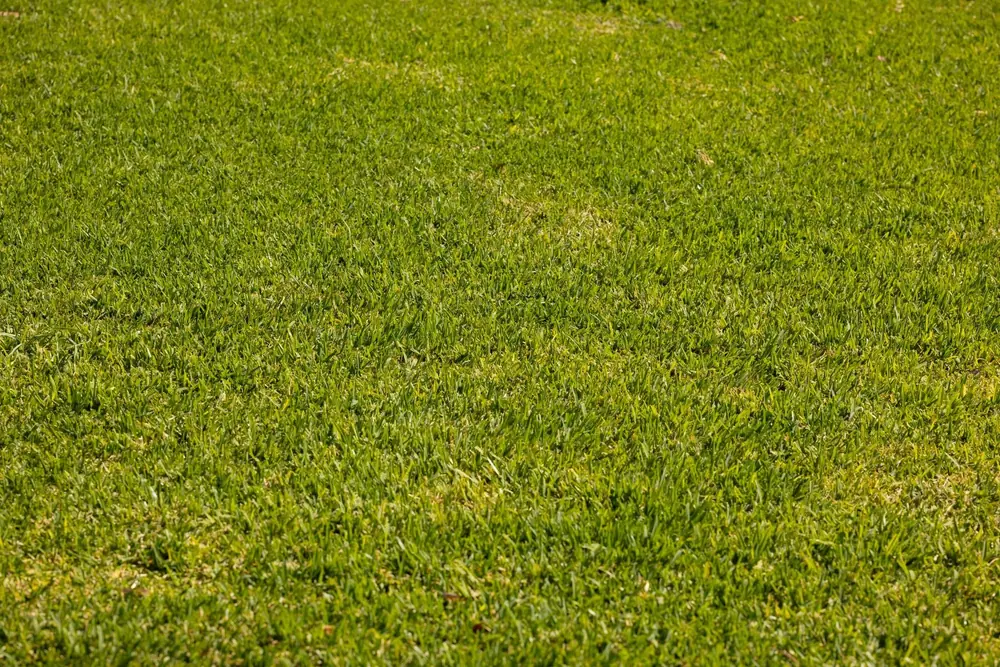
Turf shoes, sometimes marked TF, use a flat sole covered in small rubber nubs. They are made for short artificial surfaces, some indoor courts, and hard training grounds where a stud would feel like standing on gravel.
They are often more comfortable for a long training session on tight turf. They are a poor match for wet natural grass, where the nubs can skate. They are also a poor match for a deep grass field, where the player needs something that actually sinks in and holds.
Think of turf shoes as a specialist tool: right for the surface they were designed for, easy to over-buy if they are treated as a universal cleat.
You do not need a product catalog to get this right. You need a clear picture of the week.
If the season is genuinely split — firm grass on Saturdays, turf on Tuesdays and Thursdays — a second pair can be worth it once the first pair fits and has been paid for. It is not worth buying an elite FG boot “for later” while the player spends the week on a surface that will punish those studs.
Skip a firm-ground pair bought only because a professional wears that model on television. Skip a turf shoe for a player who lives on wet grass. Skip the idea that a more expensive boot forgives the wrong sole. Price does not change physics.
Also skip the habit of waiting until the night before a tournament, when the only pair left in their size is the one with the wrong studs. Surface first, size second, color last. A longer note on fit is in our youth cleat sizing guide, and a weekend packing list is in the travel-player packing guide.
Our picks below link to the live Amazon listing and name the surface each shoe is built for. The rule still comes first: buy the sole that matches the pitch, then stop.
Affiliate links. Prices change by the hour, so we don’t print them. Each button opens the live Amazon listing.
Good · grass
A budget laced firm/multi-ground cleat with a synthetic leather upper, made for grass weekends.
Check today’s price on Amazon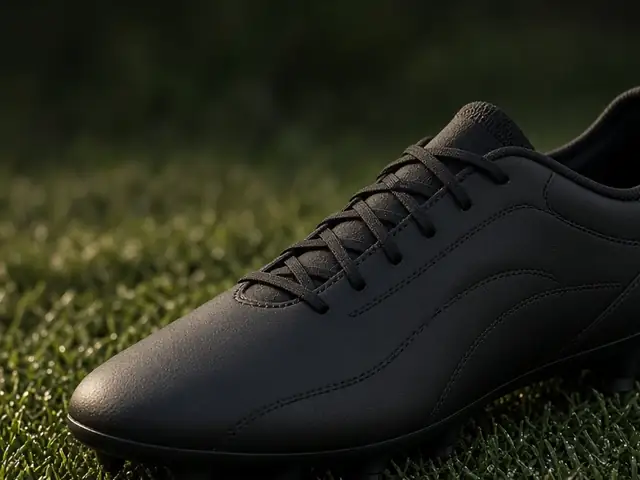
Better · grass and AG
A multi-ground sole for grass and some artificial fields, with a soft leather-grain upper that needs little break-in.
Check today’s price on Amazon
Best for turf weeks
Small rubber nubs instead of studs, for club turf practices and hard, dry ground.
Check today’s price on Amazon