
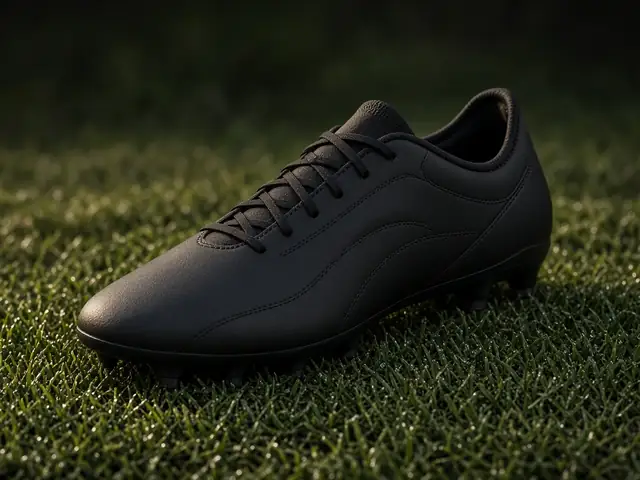
Good
YVZOTCK Foot Measurement Device
Measure heel to toe at home in US sizes before you order cleats online.
Check today’s price on AmazonIndependent picks. Affiliate link: I may earn a commission if you buy through this link.
Buying guide
Buy the boot that fits the foot they have now, with a little room to grow. A pair two sizes up is not a bargain. It is a trip hazard.
Updated November 23, 2026
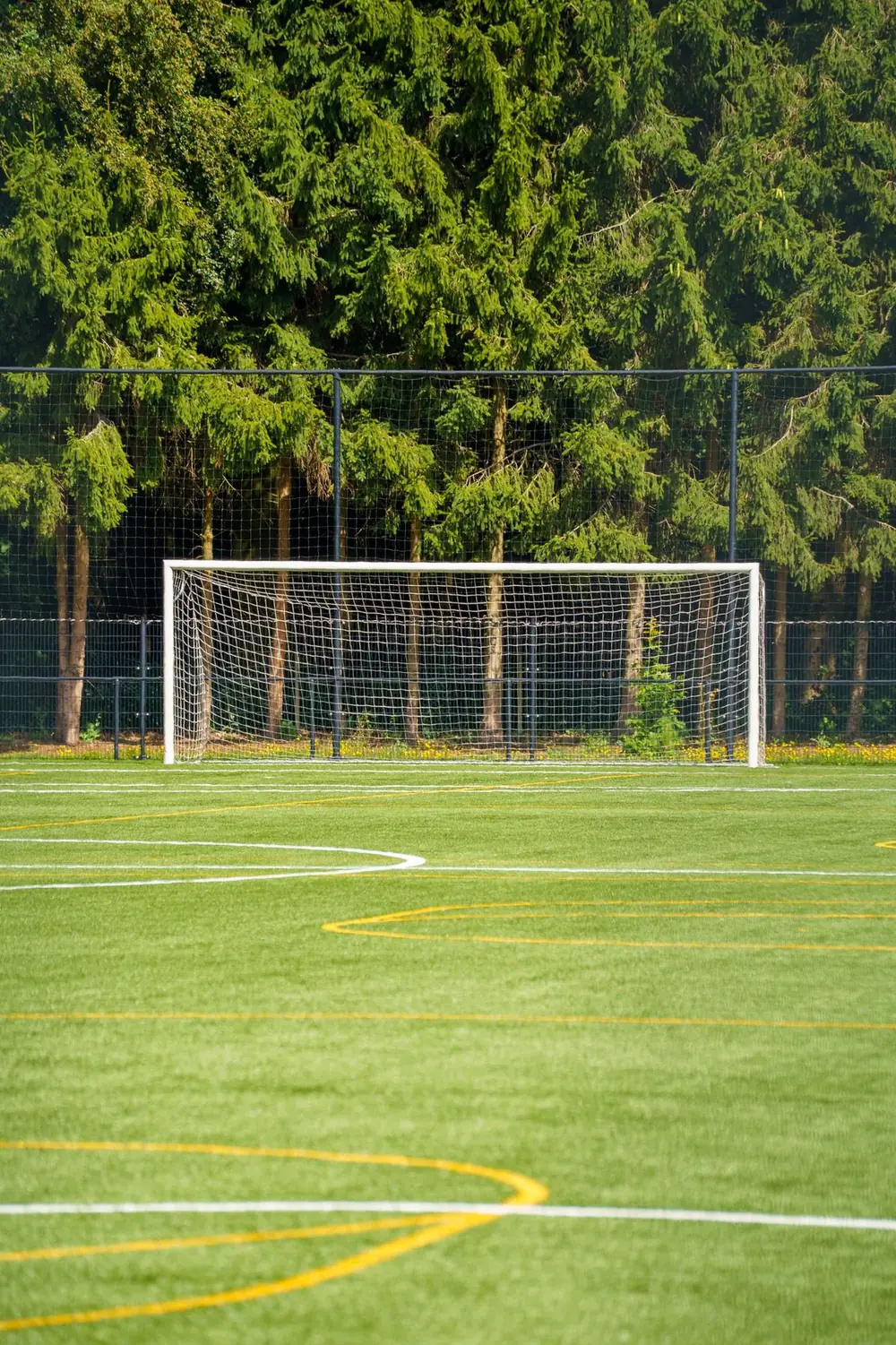
Size the larger foot, with the socks they will play in, and leave about a thumb’s width at the toe. Do not buy two full sizes “to grow into.”
Youth cleats are where good intentions go to waste. A parent wants the pair to last the season. A player wants the colorway they saw online. The box number looks familiar, so it goes in the cart. Three weeks later the heel is slipping, the toes are jammed, or the boot is so roomy that the foot moves around inside it on every turn.
Sizing is not standardized across brands, and it is not the same as a school shoe. This guide is a fitting method you can use in a store or at home, not a chart that pretends every size 5 is equal, and not a claim that we have measured a lab sample of boots.
Measure both feet, later in the day, when they have been up and walking. One foot is often longer. Buy for the larger one. Have the player wear the same kind of socks they will wear in a match — not dress socks, and not a thick hiking sock that will not be on the field.
If you are in a store, ask them to stand, then to walk, then to jog a few steps if the aisle allows it. Standing in a boot is not the same as stopping out of a run. Watch the heel. Listen to them. “It’s fine” from a player who wants the color is not a fit check. Ask whether anything pinches, rubs, or feels loose.
A common, useful check is about a thumb’s width of space at the toe when they are standing in the boot — enough for a short stretch of growth and for the foot to slide a little under braking, not so much that the foot swims. Two full sizes up is too much. The foot will slide, the heel will rub, and the player will learn to grip with their toes, which is a bad way to spend a season.
If they are in the middle of a clear growth spurt, it is reasonable to favor the slightly roomier end of a good fit and to recheck in a month. It is not reasonable to hold a pair of stiff, oversized boots “until they grow.” Hours on the field in a poorly fitted shoe are not a savings plan.
The heel should feel locked, with little slip when they walk. A little movement can settle. A clear slip will become a blister. Width matters as much as length. A long, narrow boot on a wide foot will hurt along the sides. A wide boot on a narrow foot will let the foot roll around.
Be careful with the phrase “they just need to be broken in.” A stiff new sole can soften. A hot spot on a toe seam can sometimes ease. A heel that lifts, toes that jam when they stop, or a midfoot that has no hold are not break-in problems. Those are fit problems. Do not wait four painful sessions to admit it, especially if the retailer still has a return window.
Older youth players sometimes sit on the line between a youth size and an adult size, or between a women’s last and a men’s last. There is no virtue in jumping to an adult boot early, and no rule that says a player must stay in youth packaging if the adult size in the right last fits better. Try the shoe that holds the foot. Ignore the idea that a certain department is more “serious.”
If you are moving from turf trainers to a studded boot, do not assume the number will be identical. Try them. The same is true when you change brands. Write down what actually fit, including the model, the size, and whether it felt narrow, so the next purchase is not a guess.
Confirm the surface the sole is built for, using the same FG, AG, or turf test you would use for any pair. A perfectly fitted firm-ground boot is still the wrong buy for a week of club turf. Check the return window and whether the shop accepts a pair that has been worn on grass. Then look at price.
Skip the deal that only exists in the wrong size. Skip the pair you cannot return. Skip buying two sizes up because youth sizes disappear at the start of a season — if you are shopping early, you can still buy a size that fits and plan a mid-season recheck. When we add priced picks to this site, they will carry a date and a size note, not just a headline number.
Affiliate links. Prices change by the hour, so we don’t print them. Each button opens the live Amazon listing.
Good
Measure heel to toe at home in US sizes before you order cleats online.
Check today’s price on Amazon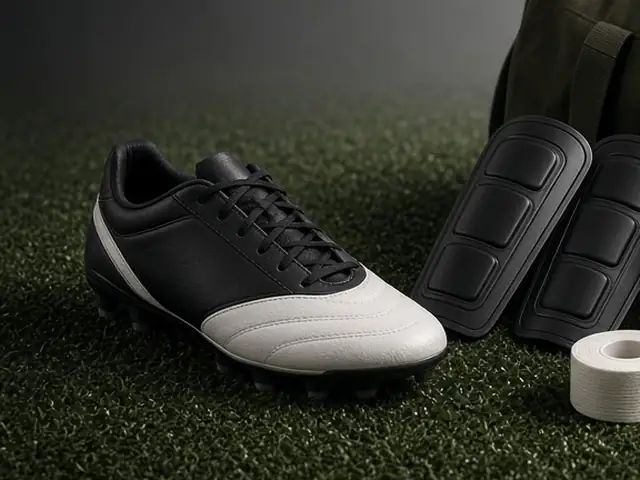
Better
A laceless first boot for grass that younger players can get on without help.
Check today’s price on Amazon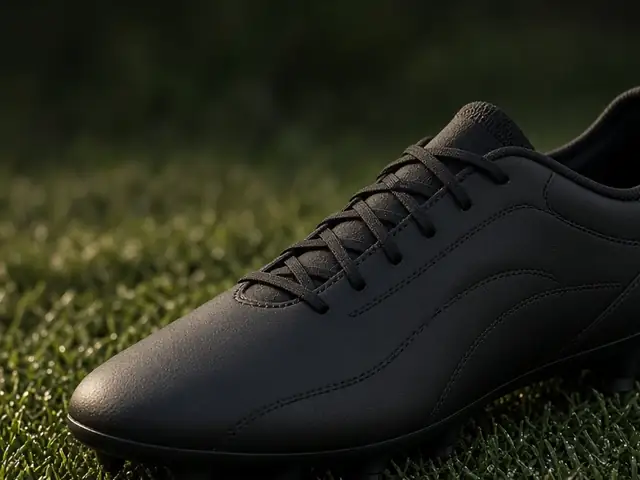
Best
A multi-ground sole for grass and some artificial fields, with a soft leather-grain upper that needs little break-in.
Check today’s price on Amazon