
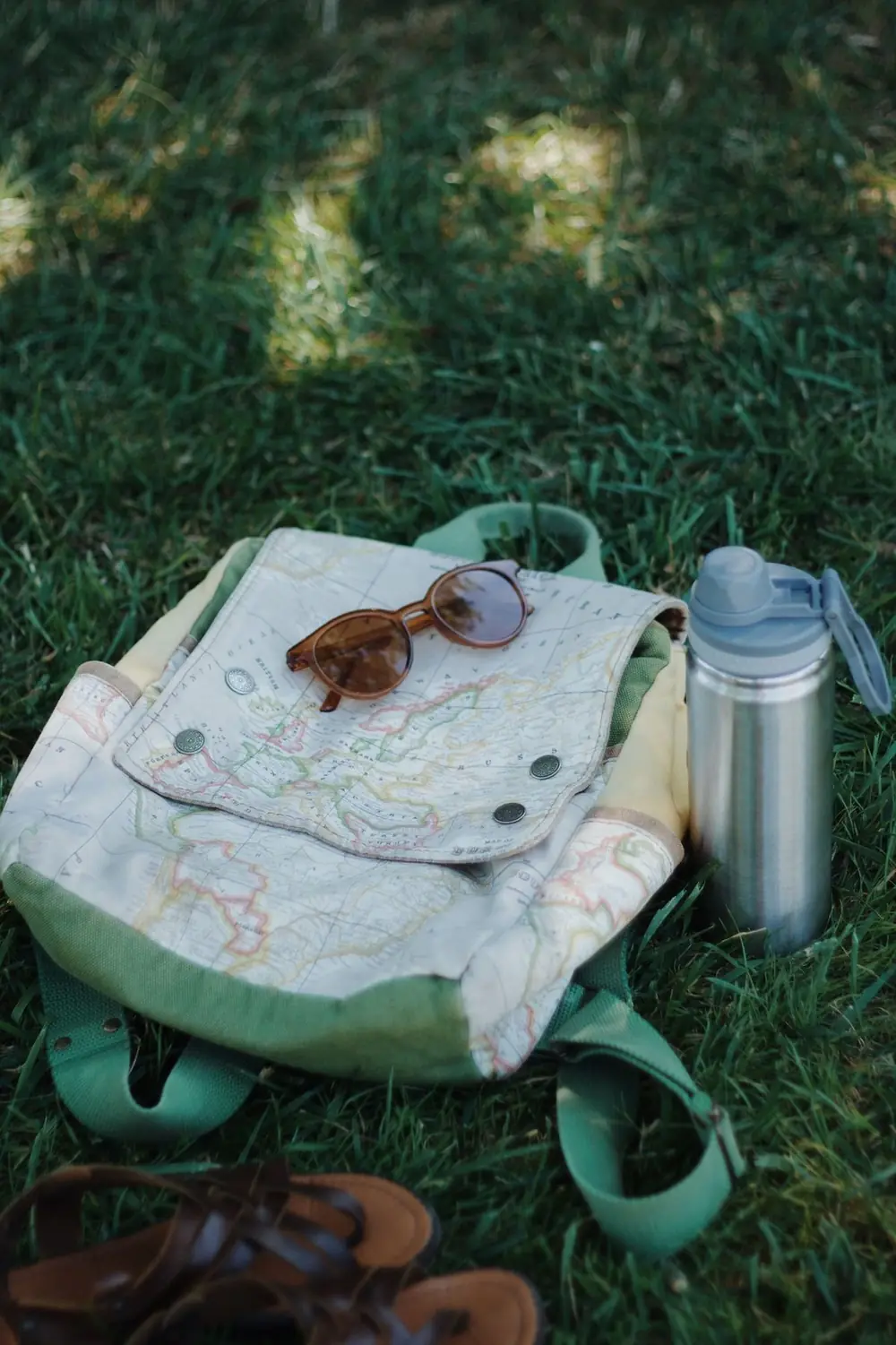
If it will not be used between warm-up and the ride home, it does not need to live in the player’s bag.
Travel soccer has a way of turning a backpack into a locker room. A third pair of socks, a gadget that never comes out, a spare ball pump that belongs to the team, and last month’s muddy tape all migrate into the same zippered cave. The player still forgets a shin guard. The parent still ends up at the complex with a trunk full of “just in case.”
This list is for U12 to U17 club and travel players, and for the person who packs the car. It is a cut list, not a pro locker inventory. The aim is a bag the player will actually carry, with a small set of backups that stay in the vehicle.
What belongs in the bag
- Boots for today’s surface. Not the pair they wish they were wearing on a dry lawn if today’s field is turf. If you are unsure, read our FG, AG, and turf guide before you pack.
- Shin guards that stay put, plus the sleeve or tape that is part of how they wear them. If a guard slides when they sprint, it is already failing. Fit notes are in our shin-guard guide.
- Match socks — the pair they will actually wear, already packed, not left in the dryer.
- A water bottle that is full when it leaves the house. A complex water fountain is not a plan.
- A spare shirt and a spare pair of socks. One of each. Not a week of laundry.
- A small tape kit and, if they use them, a spare hair tie or a simple sleeve. Tape is for a mid-game fix, not a substitute for guards that do not fit.
- Whatever the club requires in hand: a player card or pass, if that is how your league checks in.
That is the Saturday bag. It should zip shut with room to spare. If it only closes when you sit on it, something in there is theater.

What can wait in the car
The car is the right place for the second pair of boots, if you own one and the surface might change. It is the right place for a rain layer, a hoodie, a towel, a simple snack for after the match, and a small first-aid pouch a parent can reach. It is also the right place for shade, chairs, and the cooler — those are sideline tools, not something a fourteen-year-old should be asked to haul to the far field.
Keep a short “car kit” list on your phone if it helps, and restock it on Sunday night, not in the parking lot at 7:40 a.m. The point is to stop using the player’s bag as overflow storage for the whole family.
What to leave at home
Leave the training gadgets that have not been used in three weeks. Leave the third pair of socks “in case.” Leave the expensive signature boot if today’s surface is wrong for it. Leave yesterday’s muddy tape, half-empty and stuck to a water bottle. Leave anything you would be annoyed to carry back across a complex after a 6 p.m. final.
A travel bag does not need to look like a professional locker. It needs to support one day of soccer. If a tournament runs long — and it will — the extras can come out of the car between games. Our tournament weekend checklist covers the wider sideline load; this page is only what the player should have on their shoulder.
A packing rhythm that actually holds
Pack the night before, not in the driveway. Check the field surface if the club or the venue has posted it. Put boots and guards in the bag first, then water, then the spare shirt. Set the player card where you can find it without unpacking the whole bag at check-in.
After the game, do a two-minute empty-out before everything mildews: wet shirt in a bag, boots unclipped or unlaced so they can dry, water bottle rinsed. The next Saturday is easier when the bag is not a science experiment.
If you want a single sentence to tape inside the locker: pack for today’s surface, a pair of guards that stay put, water, tape, and one spare shirt. Everything else can wait in the car.