
Good
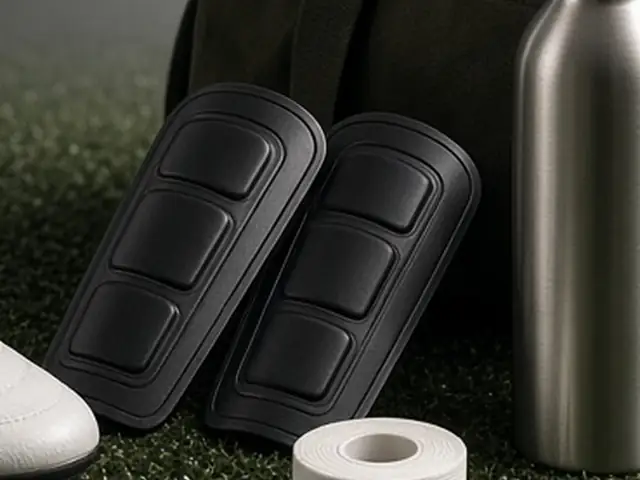
Franklin Sports Superlight Shin Guards
Light guards with two adjustable self-stick straps. The Medium is listed for ages 6 to 12, up to 5'3".
Check today’s price on AmazonIndependent picks. Affiliate link: I may earn a commission if you buy through this link.
Youth and parent guide
If a guard slides when they sprint, it already failed. Fit first. Brand second.
Updated November 23, 2026

A shin guard has one job: stay over the tibial bone when the player is moving. If it cannot do that, the brand name is irrelevant.
Most families buy shin guards the same way they buy a water bottle: late, in a hurry, in the size the shelf card suggests. The pair looks fine in the kitchen. On Saturday it has slid down to the ankle by the tenth minute, and someone is wrapping tape around it like a repair job. Tape can help. It should not be the only thing holding the guard in place.
This is a fit guide, not a product test and not a medical manual. Organized soccer typically requires shin guards; your league’s rulebook is the last word on that. The notes below are about whether a pair is actually doing the job once the whistle goes.
The bone that needs covering is the tibial crest — the hard ridge down the front of the shin — from just below the knee down toward the ankle, without sitting so low that the guard rides on the ankle bones. A guard that is too short leaves a strip of shin exposed. A guard that is too long or too bulky will be shoved down or taken off at halftime, which is another way of leaving the bone unprotected.
Have the player stand and then sit, with the socks they will actually wear. The guard should sit centered on the shin, not twisted toward the inside or outside of the leg. If you can see a clear gap of bare shin above a low-slung guard, size or style is wrong.
Once the guard is on, and the sock or sleeve is in place the way they will wear it in a match, ask the player to stand. Try to pull the guard down the shin with two fingers. If it slides down easily, it is too loose, too large, or the wrong shape for that leg. If it stays put with only a little give, you are closer.
Then have them jog in place or down the hallway. Watch the first twenty steps, not the first two. A guard that holds in a still photo and slips in motion has already failed the only test that matters.
Do this again after they have worn the pair in a training session. Foam packs down. Sleeves stretch. A pair that passed in the store can fail in week three, and that is the moment to replace it — not the moment to add more tape and hope.

Sleeve-style guards, worn in a tight sock or a dedicated sleeve, often stay put better on youth players because there is less hardware to loosen. Strap-style guards can work, but straps stretch, snag, and get pulled unevenly. If a strap is the only reason the guard is still on the shin, treat that as a warning, not a system.
Some players like a thin layer of tape over a sleeve as a habit, especially if they have had a guard slip before. That can be reasonable. It is not a fix for a guard that is clearly the wrong size. If you are buying a new pair, spend the time on fit first, then decide whether tape is part of their routine.
A bulky, sharp, or poorly padded guard that the player hates will come off, or it will be worn so loosely that it might as well be off. Ask, plainly, whether they would wear this pair for a full match in heat. If the answer is no, keep looking. Protection that is left in the bag is not protection.
Growth matters here the same way it does with boots. A pair that fit in August can be short in March. Recheck at the start of a season, after a growth spurt, and any time a guard is cracked, warped, or no longer holds its shape. A cracked shell should be retired, even if it still “looks okay.”
Skip the pair bought only because it matches a club colorway and is sitting in the wrong size. Skip a “pro” shell that is clearly too long for a U13 shin. Skip the idea that a more expensive graphic makes a loose guard safer. And skip waiting until the parking lot to discover that one guard is missing; they should already be in the Saturday bag.
When this site adds product links, they will follow the same rule: fit first, brand second, and a clear note if a style is likely to slip. Until then, you already have a test you can run at home. Two fingers. A short jog. If it slides, it failed.
Affiliate links. Prices change by the hour, so we don’t print them. Each button opens the live Amazon listing.
Good
Light guards with two adjustable self-stick straps. The Medium is listed for ages 6 to 12, up to 5'3".
Check today’s price on Amazon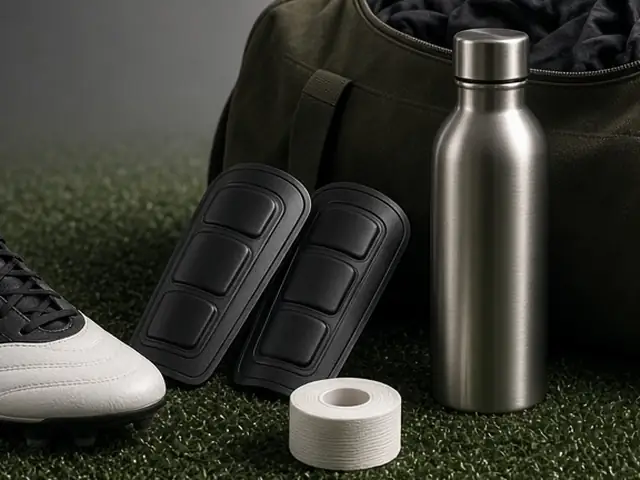
Better
Hard pads plus sleeves with an insert pocket, so the guard stays put when they sprint.
Check today’s price on Amazon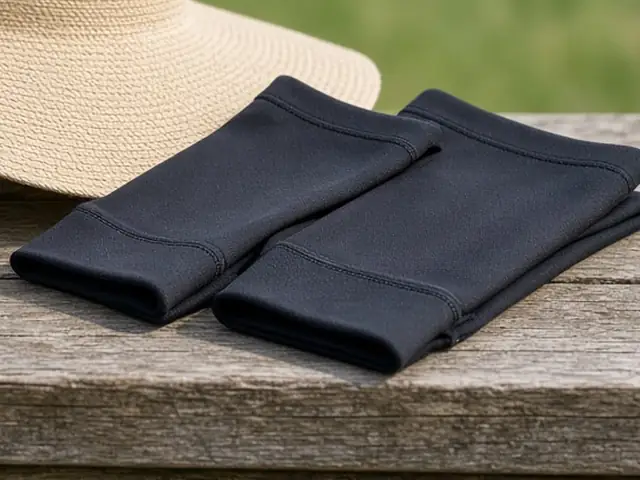
Best fit hold
Compression sleeves that hold a slip-in guard in place. Shin pads are not included.
Check today’s price on Amazon